All the Medical Things
 Kim
May 20, 2026
Kim
May 20, 2026
 Kim
May 20, 2026
Kim
May 20, 2026
May is the month for all the medical things to happen (or as many as I can fit into the schedule). It’s the month when my nurse hat comes on full-force and stays on for the whole month. It’s also the month when I feel like I basically live at our local clinic. It becomes my second home. 😆 This May is special because my friend Christina, also a nurse, is here visiting and has been my right hand lady during all the visits. Christina and I worked together on the pediatric floor of our local hospital in Oregon for several years before Jed and I moved our family to Ukraine. She has been a faithful supporter of the work all these years and finally got to make the long trek here to visit! Her timing was perfect and she and I have been quite the nurse team the past couple of weeks. We’re getting alllllll the things done. 💪
Ukraine has socialized health care, so while it’s possible to take our boys to the public clinics for (almost)free, we take them to a private clinic for most of their specialist appointments. In the public clinic the vibe is very institutional and every time we go there the boys show us with their bodies that they reeeeeally don’t like it. The smells, the paint on the floors and the walls, the sounds, the attitude of the majority of the personnel, is all reminiscent of the life they left behind. When we bring them into public clinics their bodies tense up, their negative behaviors ramp up, and we have found that, in most cases, the money we save by going the free route is not worth the negative experiences that generally occur in those appointments. There are good doctors to be found in public hospitals and clinics, for sure! But they are hard to find and the number of bad experiences we’ve had over the years has made me quite weary of the search. A couple of the specialists we see regularly are at public clinics, but most are not. It’s just not worth the heartache.
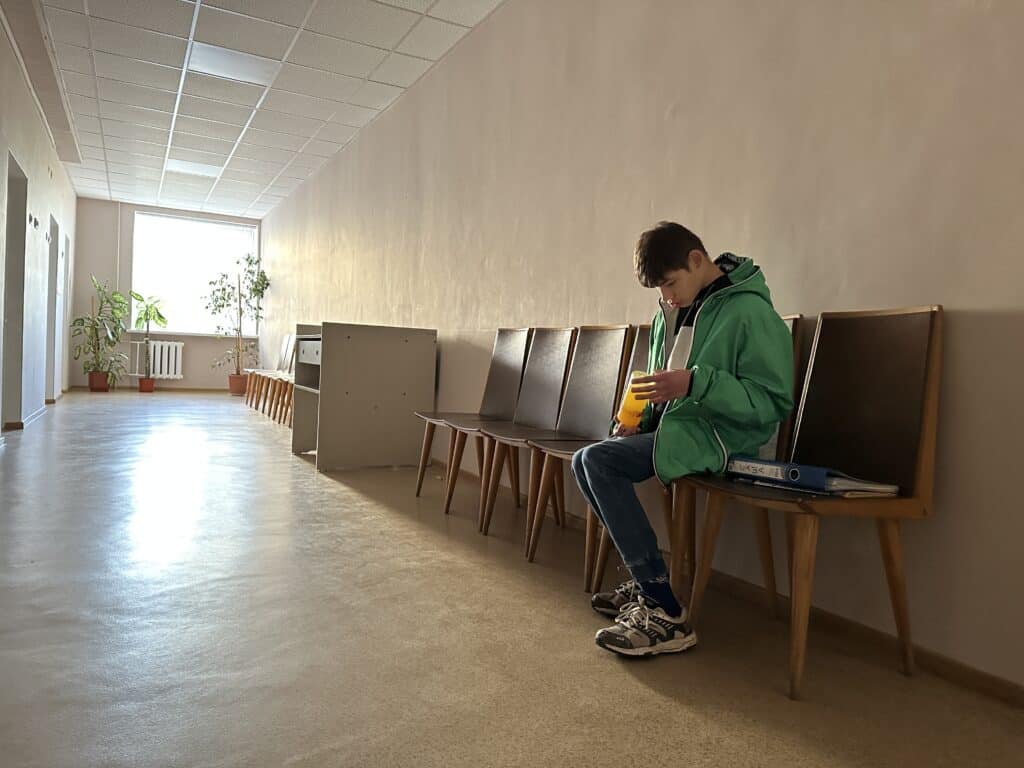
Finding doctors and therapists in our town that see our boys as humans, as valuable, and worth their time and effort has been a huge undertaking. I am not willing to settle for doctors who merely tolerate our boys’ presence. I need and insist on doctors who are willing to help, that have compassionate hearts and don’t see our boys as mere problems to be dealt with, but as people worthy of a dignified life. For starters, I look for doctors who will greet our boys and attempt to talk with them. If a doctor only looks at me in an appointment and acts like the boy (who is the actual patient) isn’t even in the room, then that doctor is not for us. Peace out. ✌️ If a doctor finds delight in our boys and shows curiosity and empathy, then we have found a treasure and will gladly pay the money to come back to that doctor again.
Over the years I have built a repertoire of specialists whom I trust and who know our boys, and over the past couple years I have been able to develop relationships with them. I’m thankful for those doctors who truly see our boys. Of course it’s a process and we still have to big-time speak up and advocate, but we’re getting there. Little by little the doctors are learning what it means to treat our boys with dignity, love, and hope. Let’s be honest, we are all learning together. 💙
Each of our boys has a “family doctor” (a general practitioner), but they rarely see that doctor because most of the time they are need of specialists. They are rarely sick, but they each do have chronic diagnoses that require yearly check-ups, at the minimum. We regularly see a neurologist, cardiologist, gastroenterologist, geneticist, ENT, and psychiatrist. The neurologist gets the most business from us, as each of our boys, except Anton, need yearly neurologist appointments. Our neurologist is a lovely woman who really delights in our boys. Man, it took me years to find her!! She remembers little details about them and laughs at the quirky and funny things they do. Every time I take one of our boys in she asks me more and more questions about our work. She’s truly curious about our boys and about our why. Last week she was lamenting to me about how sad it is that Ruslan didn’t get the care he needed as a little boy. She said “He has so much potential and could have been so smart. It’s such a shame that no one helped him when he was small.” Then she asked, without judgement but with genuine curiosity, “Why do you only take these men who have no potential? Why not take some kids who could grow and learn and change? It’s too late for these guys. Why them?” I then had the great opportunity to share with her how we believe that every person deserves to know the love of a family- regardless of his potential. We do see growth in our boys, but our work is very slow. I told her that no matter if they grow and change or if they stay exactly as they are now, we love them. Love is our why. She was baffled, but that’s okay. 😂 I’m so glad she asked. Now we just pray that the seeds the Lord is planting in her heart through our boys will bear some fruit.
Another great doctor in the repertoire is our psychiatrist. FINALLY, after years of searching, we have a psychiatrist who is relevant and smart, AND who understands our desires for the boys. He works in Kyiv, but we meet with him online. He understands that we want to help our boys become they best versions of themselves, and in order to do that they often need help from psychiatric medications. Other psychiatrists in our town have looked at our boys and literally said to me “What do you expect me to do? They are the way they are. There’s no hope for them.” It has felt hopeless and frustrating over the years as I knew our boys needed serious psychiatric help, but was unable to find it. The psychiatrist we have now is truly a gift. I’m soooo thankful that God brought him to us. I feel we can trust him and I see that he has our boys’ best interests at heart. What a win!
We are still in search of a decent orthopedic doctor, but I have one in mind who we’ll try next time the need arises. The last orthopedist we went to suggested we just amputate Boris’ untreated clubfoot rather than seeking further help for him soooo…yeah, needless to say we won’t be darkening his door again anytime soon.😱
Every spring I start by taking our boys, two by two, to a laboratory for testing. We don’t need a doctor’s order for blood testing. I just choose the tests I want for them and we pay for them. It would be free to do most of them at the public hospital, but like I said before, we’re willing to pay if it means we get kind, dignified, and efficient service. Public hospitals have very long lines and since we have to do labs early in the morning on empty stomachs, it is not the best choice for our boys by any stretch of the imagination. Their stress around institutional settings, combined with their stress around food, combined with their stress about needles is a recipe for disaster with a capital D. Trust me on that one. We have tried- and failed. The personnel at the lab we go to have come to know our boys over the years and the phlebotomists are very skilled and kind. I always bring another team member with me and most of the boys cooperate just fine. Vova hates blood draws and puts up a gigantic fight every time, so there needs to be at least three of us when we take him to the lab. But that’s an improvement! I used to have to gather five of us to take him to his blood draws just to help hold him down! When we take Vova for blood draws we all leave the lab worn out and sweaty, but having accomplished what we set out to do. Poor Vova. He is surprisingly strong! 😣
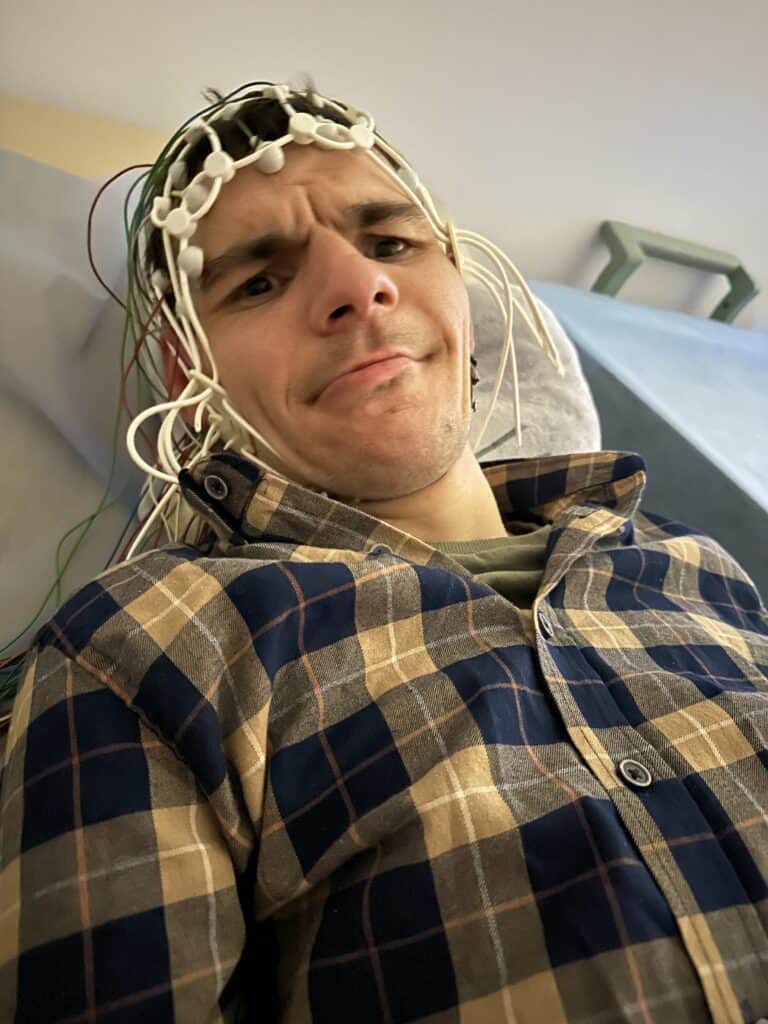
After the lab results are back I start scheduling the specialist appointments. We then take the boys two by two to the different specialties. I try as much as possible to schedule two appointments back to back so we’re not going into town for just one appointment. I bring another team member with me who sits out in the hall with one boy while I take the other into the doctor. Then if there are follow-ups of some kind I can bring them back alone. Any kind of imaging usually requires an extra set of hands for the members of our Wide Awake family who don’t understand the importance of lying still. 😕 Every year Yarik and Sasha have to have and EEG (a test that measures the electrical activity of their brains) and that day’s always a challenge. But, we do the best we can. 🙈
Besides the doctor appointments there is the medication ordering and distributing that needs to be done. Natasha, our office manager, orders the meds for the boys every month and makes sure we have a three month supply in storage in case of an emergency shortage. The assistants give the medications during the day and the house parents give them at night and on weekends. We have medication logs for each of the boys on the refrigerators of the homes where team members initial when a med has been given. We weigh all the boys the first week of every month and note the weight on the med log, as well as toileting habits and seizure activity. It’s important when working with mostly nonverbal boys and a big team with many moving parts that we document document document. I don’t want any health need to fall through the cracks!
So that’s a quick snapshot of the medical care around here. It took many years to get a system down that worked, but I feel confident now that our boys’ health needs are being met well. Thank you to all of you who pray for our boys’ health. Please continue to pray for strength and health for them. Their bodies have endured a lot and they carry the impacts of their former lives in their bodies. And thank you to all of you who donate to Wide Awake and support us financially. Because of your donations we can afford to take our boys to doctors who treat them with dignity, love, and hope. Our guys deserve the best care we can find, so thank you for making it possible for us to search until we find doctors who truly see them. We couldn’t do any of this alone and we are so thankful to walk this journey with you!